History of jazz
How it all started
Jazz emerged from a unique fusion of African and European musical traditions in the United States. Enslaved Africans brought with them rhythmic complexity, call-and-response, improvisation, and pentatonic scales. In America, these elements blended with European harmony, military marching music, and church hymns.
An important site in this development was Congo Square in New Orleans, where enslaved people gathered on Sundays to make music and dance. Here, an early form of cultural exchange emerged that laid the foundation for jazz. The blues and spirituals also played a major role: they brought emotional expression and personal stories into the music.

Early jazz – New Orleans & Dixieland
Around 1900, the first true jazz bands emerged. These often consisted of cornet or trumpet, clarinet, trombone, piano, banjo, and drums. Improvisation was central, but often took place collectively: multiple musicians improvised simultaneously.
The red-light district of Storyville was an important hub for this music. When this neighborhood was shut down in 1917, many musicians moved to cities like Chicago and New York, causing jazz to spread rapidly.
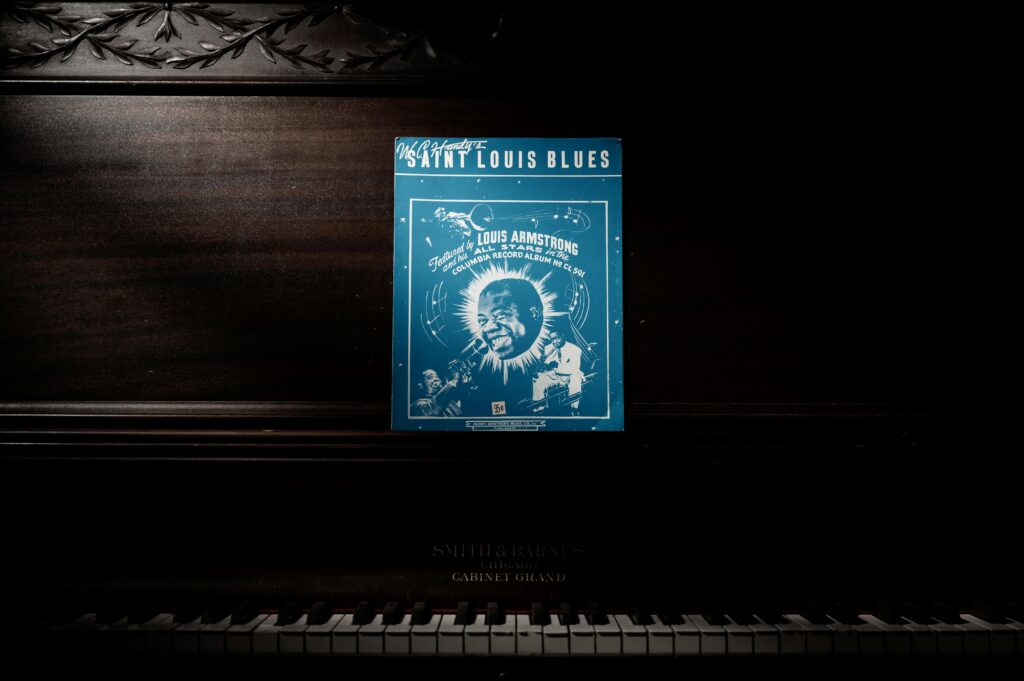
Key pioneers included Louis Armstrong, who elevated improvisation to a higher level and strengthened the role of the soloist; Jelly Roll Morton, one of the first jazz composers; and the Original Dixieland Jass Band, which recorded the first jazz record in 1917.
Boogie-Woogie & Swing
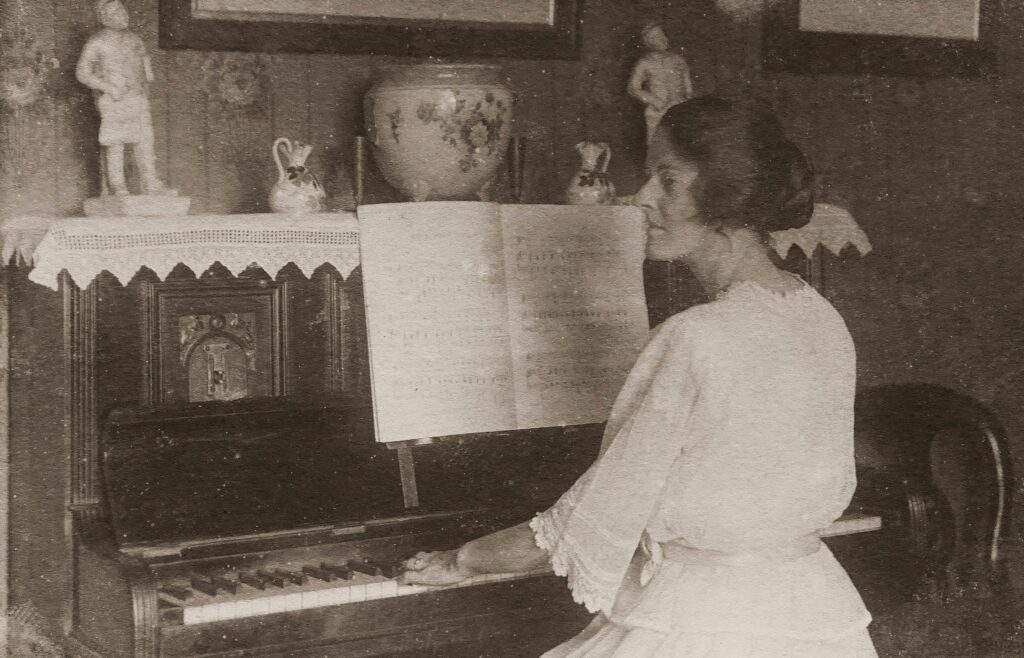
Boogie-woogie originated as a piano style featuring a powerful, repetitive bass line and improvisations in the right hand. It marked an important transition from ragtime to swing.
In the 1930s and 1940s, swing became the dominant form of jazz. Large orchestras (big bands) played arranged music with space for solos. Swing was closely linked to dance culture and became hugely popular through radio and records.
Important bandleaders included Duke Ellington and Count Basie. Their music combined tight arrangements with swinging rhythms and blues influences.
Bebop
In the 1940s, bebop emerged as a reaction to commercial swing. This style was more complex, faster, and less suited for dancing. Musicians experimented with harmonies, rapid chord changes, and virtuoso solos.
Key figures included Charlie Parker, Dizzy Gillespie, and Thelonious Monk. Bebop transformed jazz into an art form intended primarily for listening rather than dancing.
Revival & Cool Jazz
Alongside bebop, there was a renewed interest in older styles such as New Orleans jazz (revival). At the same time, cool jazz emerged, a calmer and more subdued style with an emphasis on timbre and structure.
Key figures include Miles Davis and Chet Baker. Cool jazz became particularly popular on the American West Coast and often drew influences from classical music.
Hard Bop & Soul Jazz
In the 1950s and 1960s, hard bop emerged as a reaction to the aloof cool jazz. This style brought jazz back to its roots in blues and gospel, with a more powerful and emotional sound.
Soul jazz placed extra emphasis on groove, repetition, and accessibility. Instruments such as the Hammond organ played an important role in this. These styles made jazz popular again among a broader audience.
Free Jazz & Fusion
Starting in the late 1950s, some musicians took experimentation even further. Free jazz broke with traditional structures such as fixed chords and time signatures. Improvisation became completely free.
Key pioneers include Ornette Coleman and John Coltrane. This movement sparked debate: some saw it as the future of jazz, while others felt it strayed too far from tradition.
In the 1970s, jazz blended with rock, funk, and electronic music. That led to the emergence of fusion. Electric instruments such as synthesizers and electric guitars became prominent. A milestone was Miles Davis’s album ‘Bitches Brew’. Bands such as Weather Report and the Mahavishnu Orchestra defined the sound of this era.
Later developments
Starting in the 1980s, there was a renewed interest in traditional jazz (neobop), as well as countless fusions with pop, funk, hip-hop, and world music. Jazz became increasingly diverse and difficult to categorize into a single style.
Today, jazz is played and studied worldwide. Conservatories, festivals, and recordings ensure that both old and new styles continue to thrive. At the same time, improvisation continues to evolve.