
Jazz is all about freedom, creativity, and improvisation. And nowhere is that more evident than in a great solo. Over the years, there have been solos that were not only impressive but also changed the course of jazz forever. Below are five of the most iconic jazz solos of all time—pieces that are still listened to, studied, and admired today.
Miles Davis
One of the most famous solos comes from Miles Davis’s song “So What.” What makes this solo so special is precisely its simplicity. Instead of playing as many notes as possible, Miles Davis opts for space, timing, and feeling. He demonstrates that silence can be just as important as sound, and that a few well-chosen notes can have more impact than a whole stream of rapid notes. This approach has had a massive influence on how jazz musicians view improvisation.
John Coltrane
At the other end of the spectrum is John Coltrane’s “Giant Steps.” This solo is known as one of the most difficult in jazz history. The tempo is fast, and the chord changes are complex and rapid. Coltrane plays with incredible precision and speed, and his solo is still regarded as a technical masterpiece. For many musicians, this is the ultimate challenge.
Charlie Parker
Then there’s “Ko-Ko” by Charlie Parker, a perfect example of bebop at its best. Parker, also known as “Bird,” brought a completely new style to jazz with fast, intricate lines and unexpected twists. His solo in this track is full of energy and creativity, and demonstrates how jazz evolved from dance music into a more complex art form.
Louis Armstrong
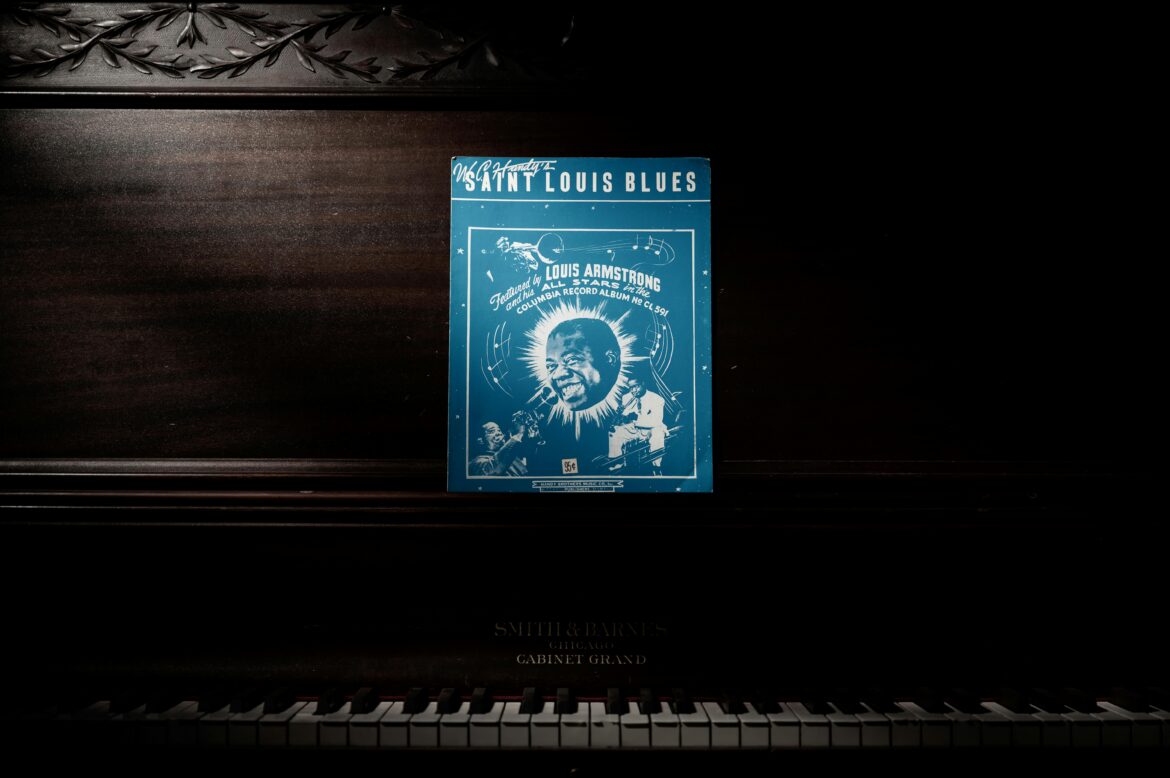
An older but hugely influential solo can be heard in “West End Blues” by Louis Armstrong. The opening trumpet solo, in particular, is legendary. At a time when jazz was still relatively new, Armstrong demonstrated that it was not just entertainment, but also a serious and expressive art form. His playing style and feel have influenced generations of musicians.
Paul Desmond
Finally, there’s “Take Five” with a famous solo by Paul Desmond. What makes this song unique is its 5/4 time signature, something that was unusual in jazz at the time. The solo itself sounds relaxed and melodic, making it very accessible, even to people who don’t often listen to jazz. It’s a perfect example of how jazz can also be calm and accessible without losing any of its quality.
What all these solos have in common is that they are more than just technical feats. They tell a story, express emotions, and reveal the musician’s personality. That is ultimately what jazz is all about: not just playing what’s on the page, but creating something that is genuine and unique in the moment.
Een reactie achterlaten